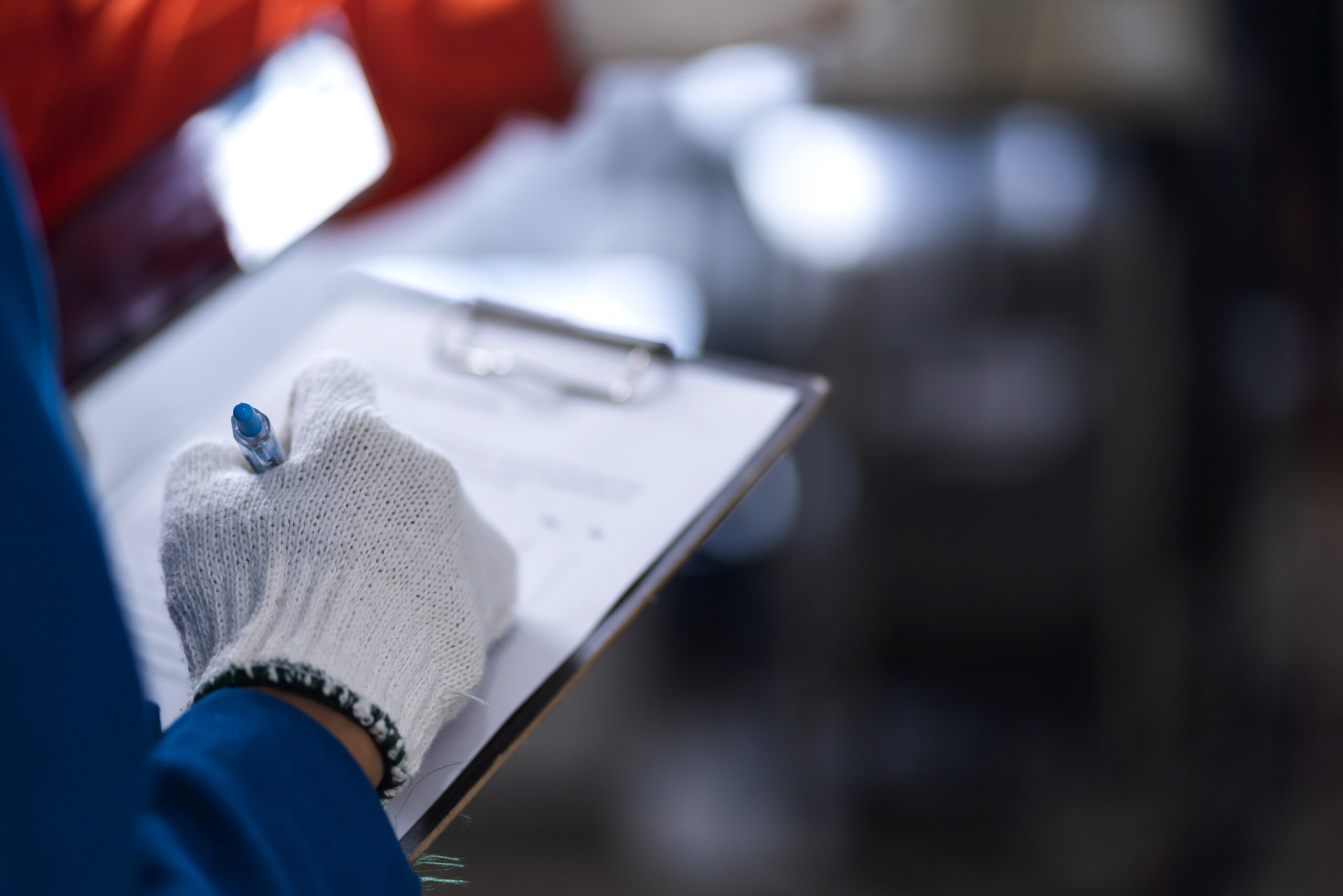
In the high-stakes world of manufacturing, quality isn’t a checkbox—it’s a commitment. For QA/QC Managers, material inspection is the first and most critical line of defense against defects, delays, and compliance failures. Whether you’re working toward API Q1/Q2 certification, ISO 9001 alignment, or BRCGS standards, inspecting materials isn’t optional—it’s strategic. This blog explores why material inspection is indispensable for QA/QC leaders and how it shapes operational excellence, supplier accountability, and customer trust.
Key Types of Material Inspection in Manufacturing
Inspection Type |
Purpose |
| Incoming Inspection | Verifies raw materials and components upon arrival |
| In-Process Inspection | Monitors quality during production to catch defects early. |
| Final Inspection | Evaluates finished goods before shipment to ensure compliance. |
| First Article Inspection (FAI) | Confirms that initial production output meets design and quality specs. |
| Supplier Evaluation | Assesses vendor quality systems and incoming material reliability. |
Why Material Inspection Matters in QA/QC
- Prevents Defects Before Production
- Incoming inspection ensures raw materials and components meet specifications before entering the production line.
- Early detection of non-conformities avoids costly rework, scrap, and production delays.
- Safeguards Product Quality
- Verifying material integrity helps maintain consistent product performance and reliability.
- It acts as a gatekeeper for quality, ensuring only compliant inputs are used.
- Supports Regulatory Compliance
- Many standards (API Q1/Q2, ISO 9001, BRCGS) mandate documented material inspections.
- Helps manufacturers demonstrate traceability and adherence to industry requirements.
- Reduces Operational Risk
- Faulty materials can lead to equipment failure, safety hazards, or customer recalls.
- Inspection minimizes these risks by enforcing strict quality thresholds.
- Improves Supplier Accountability
- Material inspection data can be used to evaluate supplier performance.
- Enables timely corrective actions and fosters a culture of continuous improvement.
- Boosts Customer Confidence
- Delivering defect-free products builds trust and enhances brand reputation.
- Quality assurance at the material level signals a commitment to excellence
Material Inspection Flow for QA/QC
This flow ensures that every material entering, moving through, and exiting the production process meets quality standards and regulatory requirements.
Incoming Material Inspection
- Verify raw materials and components against purchase specs.
- Check for physical damage, quantity, and certification documents.
- Record results and accept/reject based on criteria.
First Article Inspection (FAI)
- Conducted on the first production run using inspected materials.
- Confirms that the product meets design and quality requirements.
- Establishes baseline for ongoing production.
In-Process Inspection
- Monitor materials during production stages.
- Identify deviations early to prevent downstream defects.
- Use control charts, sampling plans, and operator feedback.
Final Inspection
- Evaluate finished goods for dimensional accuracy, functionality, and appearance.
- Ensure packaging, labeling, and documentation are correct.
- Approve for shipment or flag for rework.
Supplier Evaluation & Feedback
- Analyze inspection data to assess supplier performance.
- Share non-conformance reports and initiate corrective actions.
- Update Approved Vendor List (AVL) based on results.
Best Practices for Material Inspection
- Use statistical sampling and risk-based inspection plans.
- Integrate digital tools for real-time tracking and reporting.
- Train QAQC teams on specification interpretation and defect classification