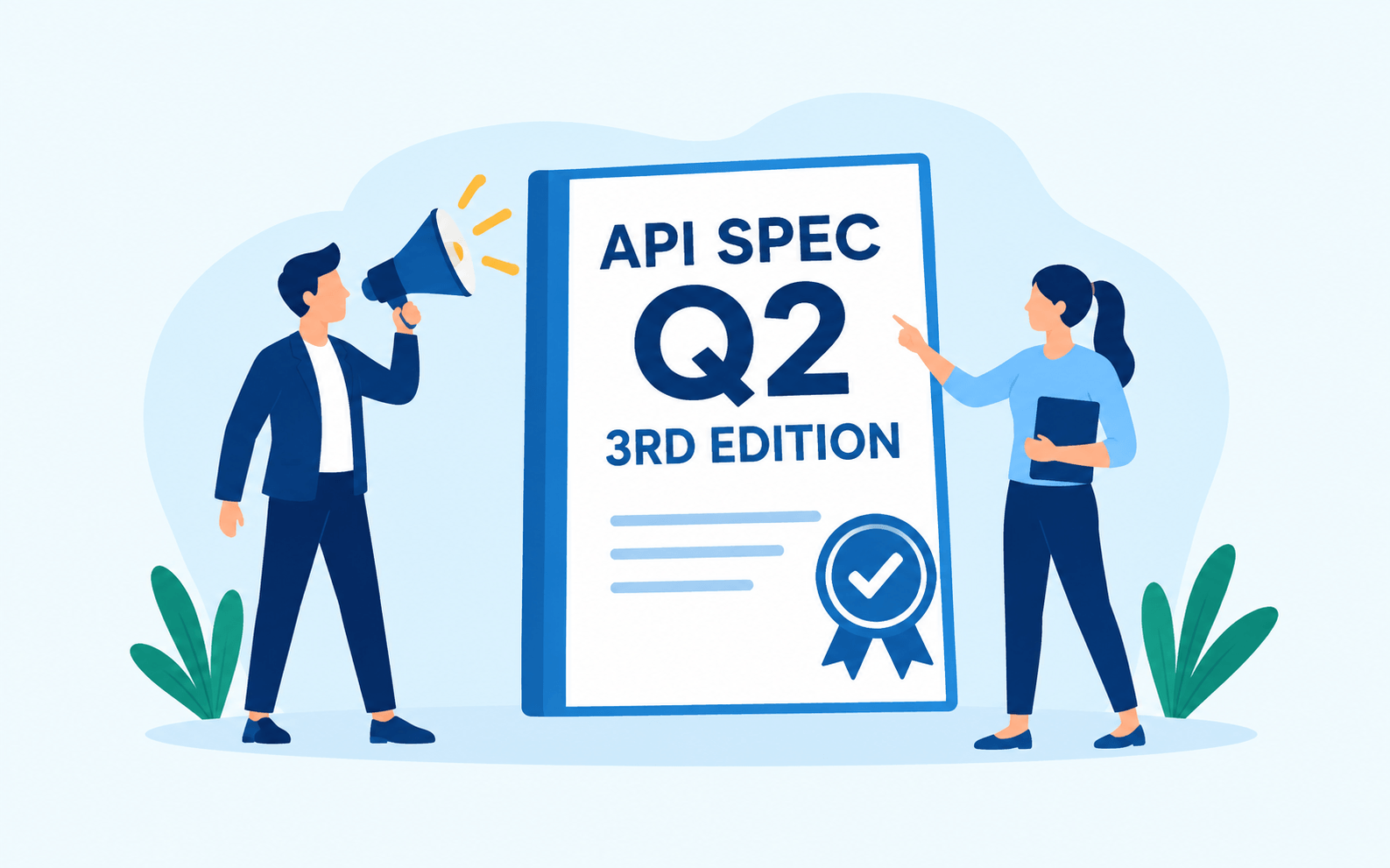
API Spec Q2 has entered a significant new phase with the release of its 3rd Edition, bringing important changes to certification scope and a defined transition timeline. This blog explains what organizations need to know about the new edition, including the transition deadlines announced by API
Blog
Welcome to our journal. Here you can find the latest company news and business articles.
Read More
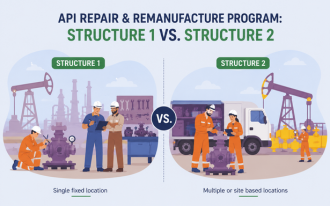
Choosing the correct license is an important decision for organizations involved in equipment repair. The program offers two licensing structures—Structure 1 and Structure 2—each designed for different business models.

Read More
In industries where the integrity and safety of materials and structures are paramount, Non-Destructive Testing (NDT) and Non-Destructive Evaluation (NDE) play crucial roles.
Read More
A comprehensive guide to API Spec Q1 & Q2 surveillance audits covering audit requirements, common findings, preparation strategies, and practical tips to maintain certification compliance.

Read More
As 2026 approaches, quality leaders in the oil & gas industry face evolving challenges like technological advancements, sustainability goals, and diverse team management.
Read More
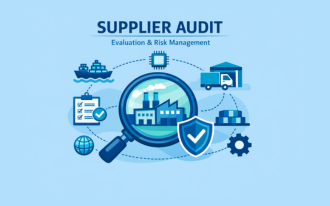
In today’s dynamic business environment, supplier audits are more than compliance checks—they are strategic tools that safeguard supply chain resilience, reduce risks, and ensure business continuity. This guide explores the importance of supplier audits, their benefits, and actionable steps to strengthen your supply chain
Read More
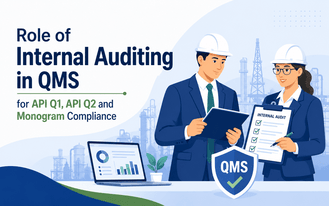
The role of internal auditing in a Quality Management System (QMS) is to evaluate whether organizational processes are effectively implemented, compliant with applicable standards, and capable of achieving quality objectives. Internal audits serve as a powerful management tool that helps organizations identify gaps, reduce risks, verify compliance, and drive continual improvement.
Read More
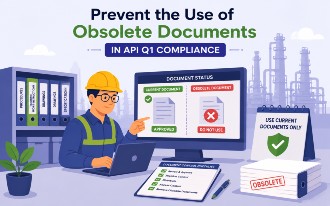
Preventing the use of obsolete documents is one of the most critical aspects of maintaining an effective API Q1 quality management system.
Many companies still struggle with outdated work instructions, expired drawings, uncontrolled specifications, and unmanaged external standards. These gaps often result in audit nonconformities, production delays, rework, and increased operational risk.
Read More
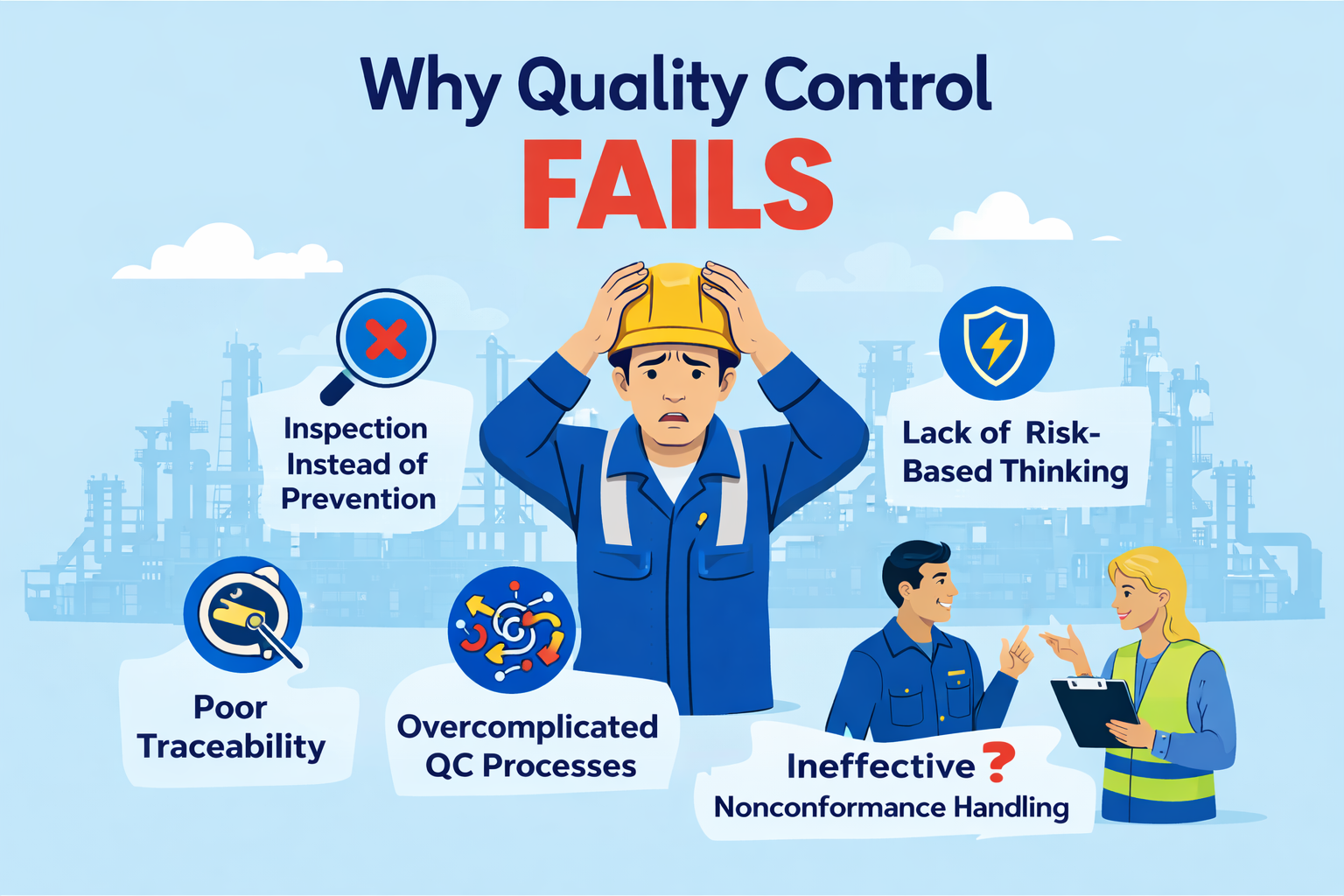
Quality control fails in oil & gas manufacturing due to over-reliance on inspection, lack of risk-based thinking, poor traceability, overcomplicated processes, weak integration with production, ineffective nonconformance handling, and skill gaps in QC teams.

Read More
The upcoming ISO 14001:2026 update introduces important enhancements to environmental management systems, with a stronger focus on climate change, sustainability, lifecycle thinking, and structured risk management. In this blog, we will explore these key differences between ISO 14001:2026 and 2015, break down what has changed, and explain how these updates will impact organizations
Read More
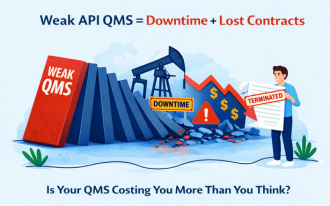
In industries like oil & gas or manufacturing, where API Q1/Q2 certification is critical, fragile QMS frameworks undermine operational reliability and contractual trust. Weak API QMS systems directly increase downtime by failing to detect and mitigate risks early, and they heighten contract risk by leaving compliance gaps that can trigger penalties, client churn, or legal disputes.
Read More
Many oil & gas manufacturers celebrate after passing their first API Q1 audit—only to face unexpected challenges in the second year. The reality? API Q1 certification fails in Year 2 more often than in Year 1. Not because companies are incapable—but because sustaining compliance is harder than achieving it.
Read More
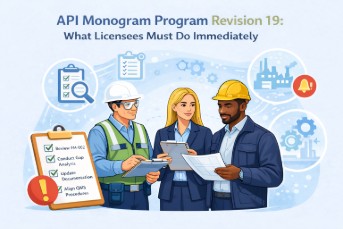
The American Petroleum Institute (API) has officially released FM-002 Monogram Licensing Program Requirements – Revision 19, effective immediately. For companies holding an API Monogram license, this is not a passive update. It requires leadership review, compliance alignment, and documented action.

Read More
Quality management keeps evolving—just when you master one term, another pops up. Stay informed, stay ahead!
Read More
In oil & gas manufacturing, quality failures are expensive. Rework, scrap, delayed deliveries, audit findings, and customer complaints all increase the cost of quality (CoQ). At the center of this challenge sits one critical control: Standard Operating Procedures (SOPs).
Read More
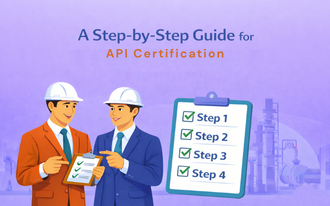
For oil & gas manufacturers and service providers, API licensing is no longer just a qualification requirement. It is a commercial gatekeeper. Operators, EPCs, and major service buyers increasingly treat API Q1, API Q2, and the API Monogram as minimum entry criteria, not differentiators.

Read More
As the oil & gas service sector becomes more regulated, digitized, and performance-driven, API Spec Q2 compliance is no longer a “quality department initiative.” In 2026, it is a board-level risk and credibility issue
Read More
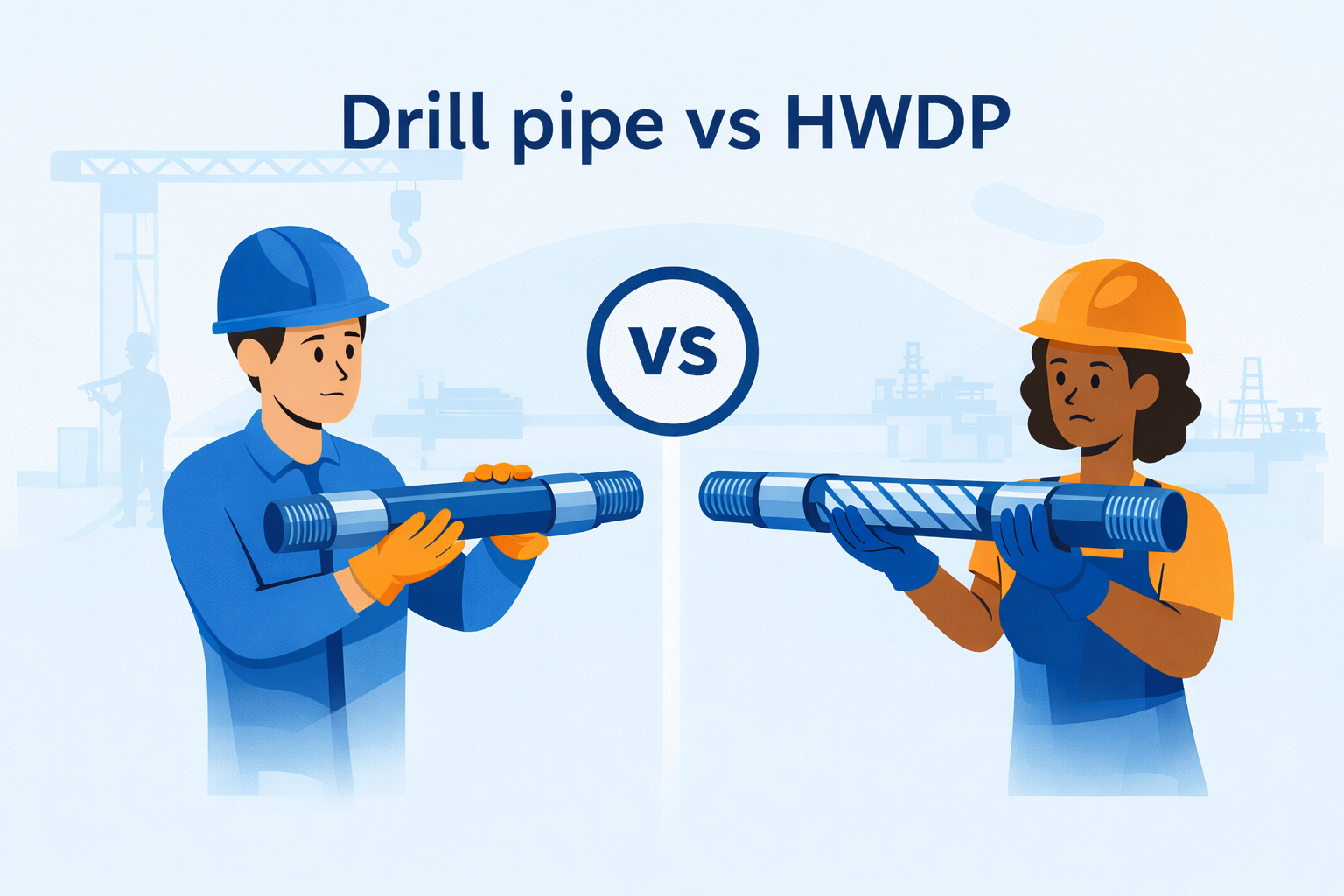
Understand the technical and compliance differences between Drill Pipes and Heavy-Weight Drill Pipes (HWDP). Learn how each impacts API 5DP, API 7-1, and QMS certification requirements. A must-read for manufacturers and QA teams preparing for global audit…