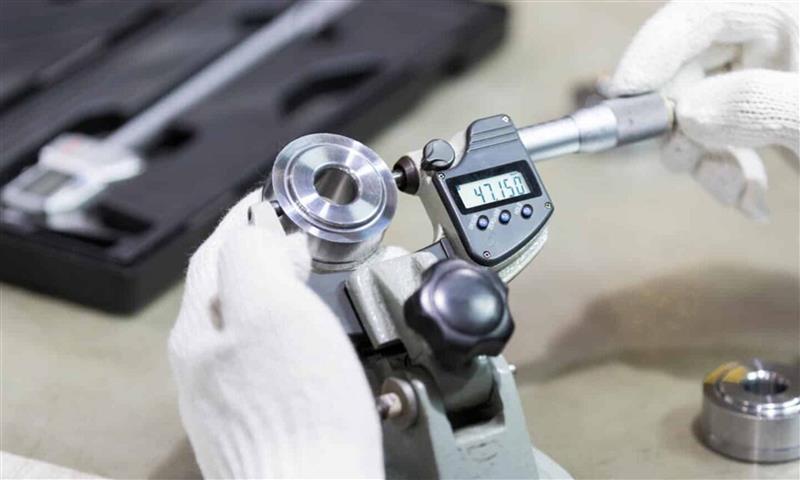
Introduction: Calibration isn’t Optional—It’s Foundational
In oil & gas manufacturing, precision isn’t a luxury—it’s a requirement. Whether you’re producing pressure control equipment, valves, or drilling components, every measurement matters. That’s why calibration is a cornerstone of quality management systems like API Spec Q1.
If you’re aiming for API Monogram licensing or ISO 9001 certification, overlooking calibration can jeopardize your entire compliance framework. Let’s unpack why calibration deserves your attention—and how it directly impacts product quality, audit readiness, and global credibility.
What is Calibration & How Does it Work?
Calibration is the process of comparing a measuring instrument against a known reference standard to verify its accuracy. If deviations are found, the instrument is adjusted to align with the standard.
How Calibration Works:
- Reference Standard: A certified device with known accuracy is used.
- Comparison: The instrument under test is measured against the standard.
- Adjustment: If discrepancies are found, the instrument is recalibrated.
- Documentation: Results are recorded, including date, technician, and traceability.
- Labeling: Instruments are tagged with calibration status and due date.
This ensures your equipment consistently delivers reliable measurements—critical for manufacturing parts within specified tolerances.
How Often Should Calibration Be Done?
Calibration frequency depends on several factors, and API Q1 expects manufacturers to define intervals based on risk and usage—not just fixed timelines.
Recommended Calibration Intervals:
- High-precision or critical instruments: Every 3–6 months
- Moderate-use tools: Every 6–12 months
- Low-risk or backup instruments: Annually or based on usage
API Q1 Clause 7.5.5 Highlights:
- Intervals must be documented and justified
- Consider frequency of use, environmental conditions, and stability
- Recalibrate immediately if equipment is dropped, damaged, or found out-of-tolerance
Why It Matters: Real-World Impact
-
Product Quality & Safety
Uncalibrated tools can lead to dimensional errors, failed field tests, and safety risks. Calibration ensures your parts meet specified tolerances—critical for performance and reliability.
-
Audit Readiness
API Q1 audits are rigorous. Auditors will check calibration records, traceability, and handling procedures. Missing documentation or expired calibration can trigger nonconformities (NCRs) or Corrective Action Requests (CARs).
-
Customer Confidence
Clients demand reliability. Calibration builds trust by proving your measurements—and therefore your products—are consistently accurate.
-
Reduced Waste & Rework
Uncalibrated tools lead to rejected parts, wasted materials, and production delays. Calibration minimizes these risks, improving cost efficiency and delivery timelines.
Interactive Checklist: Are You Calibration-Ready?
✅ Do you have a documented calibration procedure?
✅ Are your intervals based on usage/environment—not just calendar dates?
✅ Is every instrument traceable to a recognized standard?
✅ Can you show calibration status on each tool?
✅ Do you evaluate past results when a tool is found out-of-tolerance?
If you answered “no” to any of these, it’s time to tighten your calibration controls.
Pro Tip: Use Calibration Data to Drive KPIs
Don’t just calibrate—analyze. Use your calibration records to track:
- Frequency of out-of-tolerance findings
- Equipment reliability trends
- Impact on product quality and NCR rates
This feeds directly into your QMS KPIs, helping you demonstrate continuous improvement—a core API Q1 principle.
Final Thoughts: Calibration Is a Culture
Calibration isn’t just a technical task—it’s a mindset. It reflects your commitment to precision, accountability, and global standards. Whether you’re preparing for an API audit or scaling your operations, investing in calibration is investing in your reputation.
Ready to improve your calibration system?
Let’s talk about integrating it into your QMS, audit prep, and Monogram licensing strategy.